Nashville's Piano Heritage
Nashville earned the name Music City honestly, and the piano has been part of its story from the beginning. Long before Music Row, pianos filled the city's churches, parlors, schools, and stages. Understanding a little of that heritage adds meaning to the instrument in your own home — and explains why the craft of keeping pianos in tune has such deep roots here.
From Parlors to Sanctuaries
In the nineteenth and early twentieth centuries, the piano was the center of American home music-making, and Nashville was no exception. A piano in the parlor was where families gathered to sing, where children learned music, and where hymns were rehearsed. The city's many churches relied — and still rely — on pianos and organs to lead congregational singing, and that sacred-music tradition helped sustain a community of players, teachers, and tuners across Middle Tennessee.
The Rise of Music Row
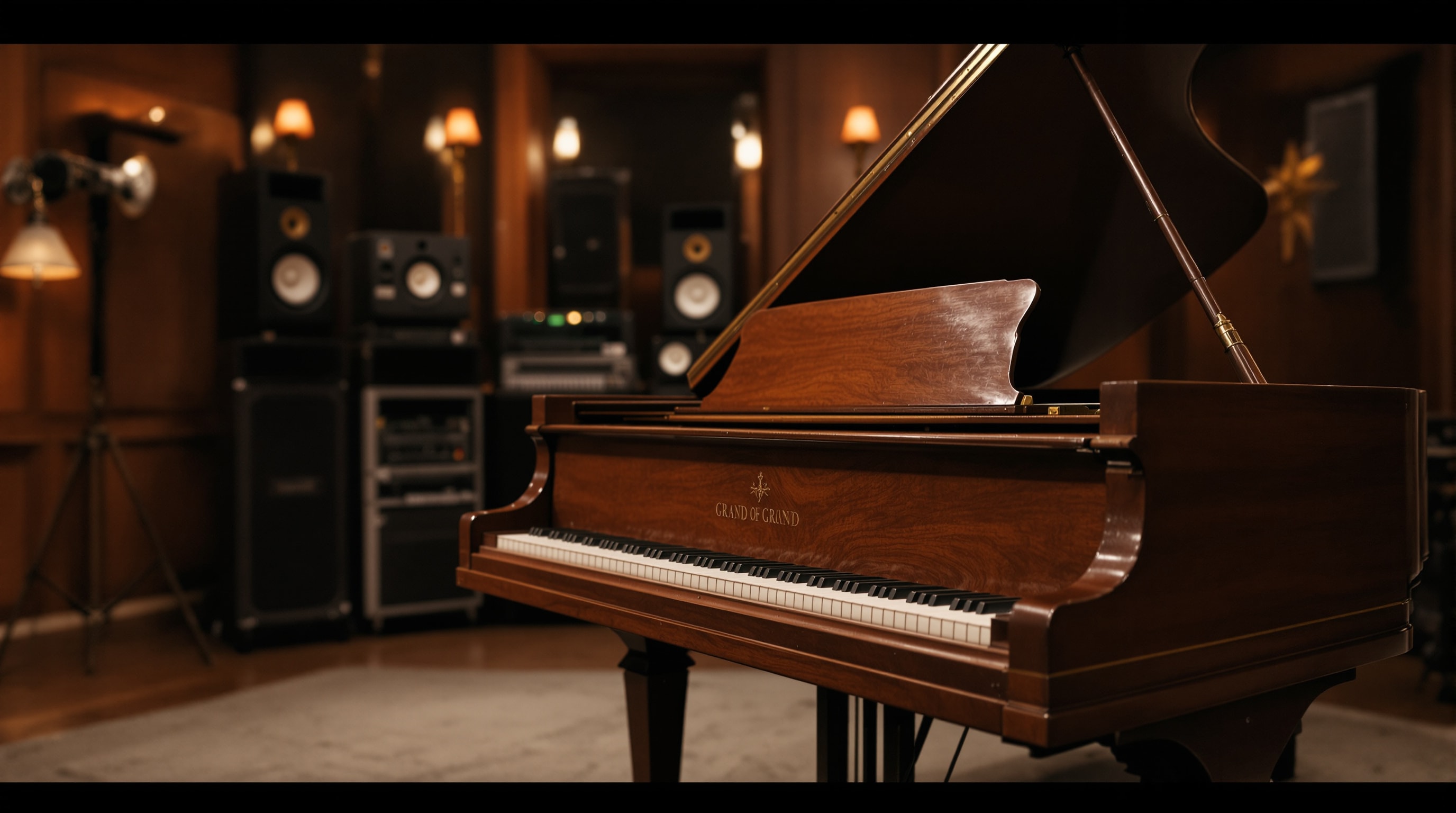
Nashville's identity as a recording capital took shape in the mid-twentieth century, when a cluster of studios and publishers grew up in the neighborhood that became known as Music Row. Great recording studios treat their pianos as prized instruments: a studio grand may appear on hundreds of records, and it must be kept at precise pitch and in excellent regulation so it sits perfectly in a mix and plays in tune with every other instrument. That demand for consistently first-rate pianos made skilled tuning and maintenance essential to the city's recording industry.
The stakes in a studio are high in a way home players rarely face: a session costs money by the hour, and a piano that drifts or has an uneven note can derail a take. This is why studio instruments are serviced so attentively, often tuned immediately before important sessions.
Stages, Stars, and Concert Halls
From the historic stage of the Ryman Auditorium to modern concert halls and countless clubs, live performance has always been Nashville's lifeblood. Touring artists and local performers alike depend on pianos that are ready to play — in tune, responsive, and voiced to carry in the room. The Nashville Symphony and the city's many performance venues uphold the concert tradition, where a piano must meet the most exacting standards on the night it matters. Behind every well-tuned stage piano stands the same craft this site is devoted to.
A Living Tradition
What makes Nashville special is that all of these worlds — sacred music, recording, songwriting, classical performance, and home music-making — coexist and overlap. A single instrument might serve a church on Sunday, a lesson on Monday, and a demo session midweek. The through-line is a community that values good instruments and knows they need care to stay good. That culture of maintenance is part of why so many fine pianos have thrived in a climate that, left unmanaged, would be hard on them.
Carrying It Forward
If you own a piano in Middle Tennessee, you're part of this long tradition. Caring for your instrument — keeping it tuned on a sensible schedule, protected from humidity swings, and well maintained — keeps a small piece of Music City's musical heritage alive and singing. For the broader history of the instrument itself, the Smithsonian's piano collection is a wonderful place to explore.