Buying a New or Used Piano
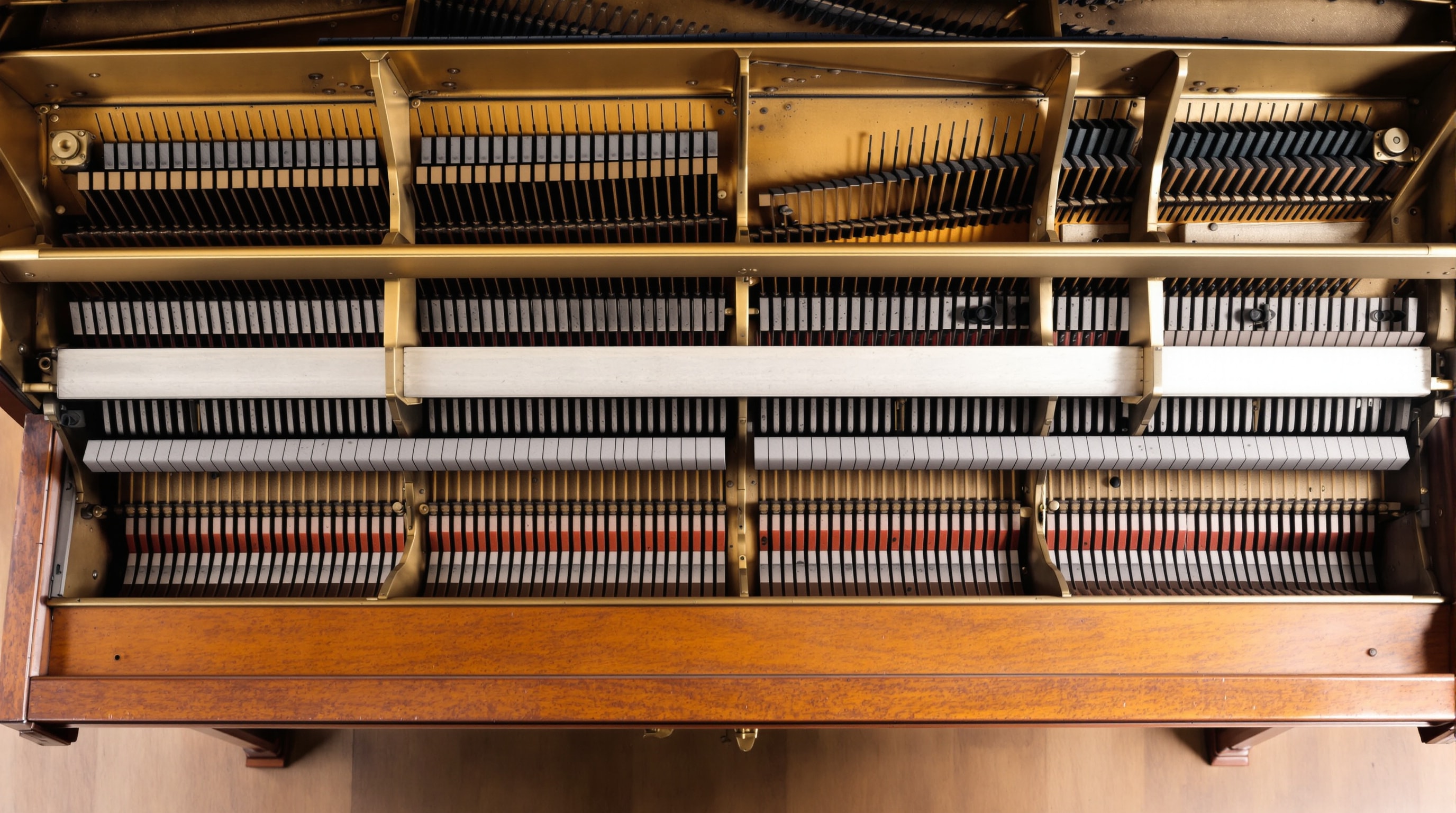
A piano is one of the larger purchases many households ever make, and unlike most products, its true condition is hidden inside a beautiful wooden case. Whether you're considering a brand-new instrument or a used one from a private seller, a little knowledge — and, ideally, a professional inspection — protects you from an expensive mistake.
New vs. Used: The Trade-offs
A new piano offers a known quantity: a warranty, predictable condition, and that fresh, settling-in period we describe in our tuning schedule guide. The trade-off is cost and depreciation. A used piano can be a tremendous value — a well-built instrument can last a century — but condition varies enormously, and problems that are invisible to an untrained eye can be costly or even impractical to fix. The used market rewards buyers who do their homework.
Have It Inspected Before You Buy
The single best piece of advice for any used-piano purchase is this: have a qualified technician inspect it before money changes hands. A modest inspection fee is inexpensive insurance against a major investment. Independent references such as Piano Buyer offer detailed guidance on evaluating an instrument before you commit. A technician can assess things a seller may not know or mention — the condition of the pinblock and tuning pins, whether the piano holds pitch, the state of the soundboard, hammer and action wear, and any structural issues. An instrument that looks flawless in a living room can have problems that make it a poor buy, and one that looks tired may be mechanically excellent.
This advice applies doubly to "free" pianos. A piano given away for the cost of moving it can still cost a great deal to make playable — or may not be worth restoring at all. An inspection tells you which it is before you pay movers to haul it.
What to Look and Listen For
Even without a technician present at a first viewing, you can gather useful clues:
- Play every note. Listen for notes that don't sound, stick, or clearly clash. A few issues are normal on a used piano; many are a warning sign.
- Check the pitch. A piano far below standard pitch has likely gone a long time without service, which can hint at deeper neglect.
- Look inside. With permission, look for rust on the strings and tuning pins, cracks in the soundboard, and signs of moth damage to the felt.
- Ask its history. Where has it lived? Was it in a climate-controlled home? When was it last tuned and serviced?
- Note the environment. A piano stored in a damp basement or a hot, dry attic has been stressed regardless of how it looks.
Questions to Ask the Seller
A few direct questions reveal a lot about how a piano has been cared for: How old is it? Are you the original owner? How often was it tuned? Has it ever been repaired, restrung, or rebuilt? Has it been moved often? Honest, specific answers are reassuring; vague or evasive ones are a cue to be cautious and to insist on an inspection.
Matching the Piano to Your Space
Finally, consider where the instrument will live. Room size, humidity, and how the piano will be used all matter, and they interact with the type of instrument you choose — grand, upright, or digital. Our guide to the types of pianos walks through those options so you can match the instrument to your home and your goals. Buy wisely, set up good humidity control from day one, and your piano can bring music to your family for decades.