Humidity and Your Piano
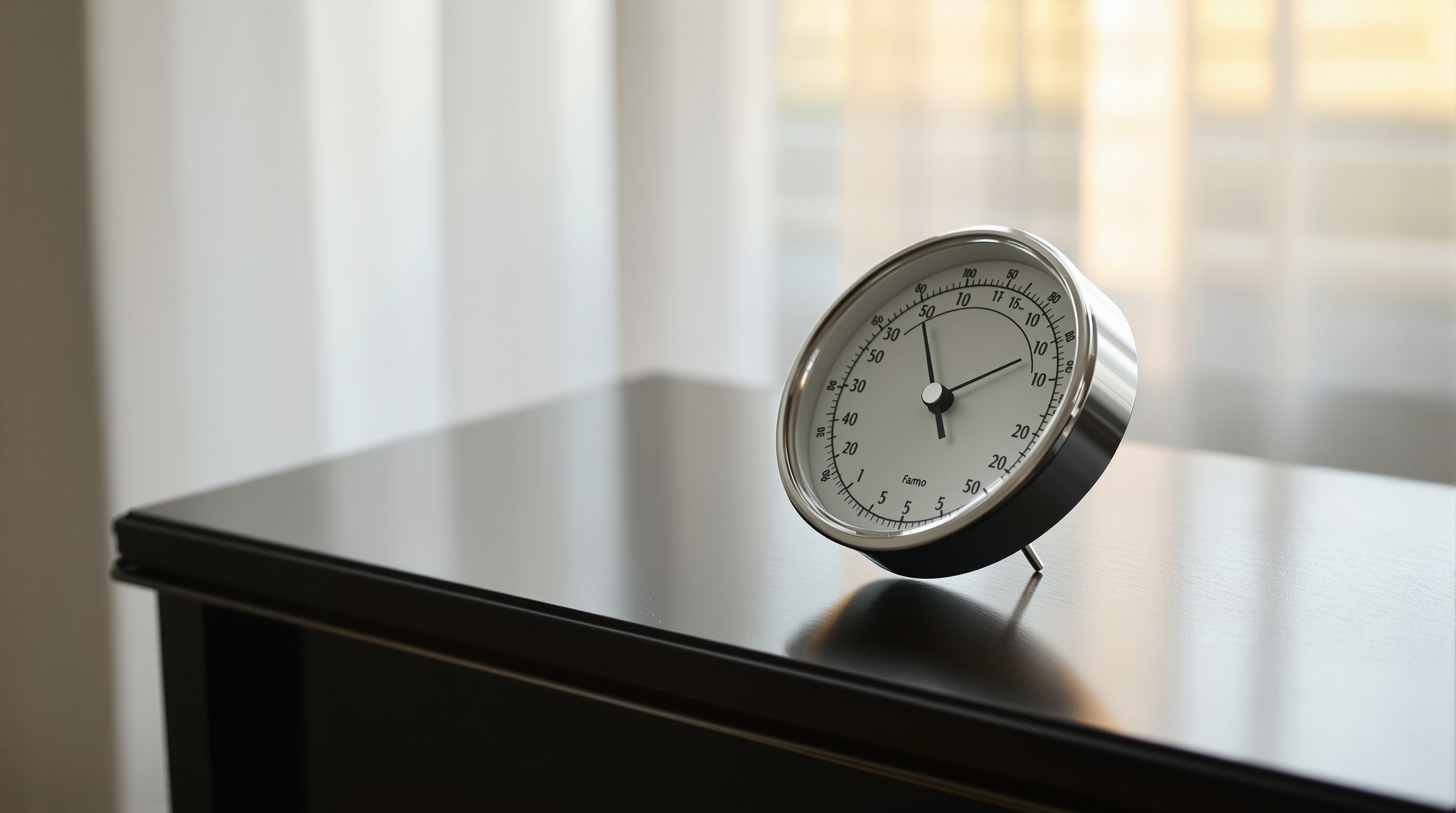
If there is one lesson every piano owner should take to heart, it's this: humidity, more than anything else, determines how well your piano holds its tune and how long it lasts. A piano is mostly wood, and wood is exquisitely sensitive to the moisture in the air around it. Manage humidity well and you solve most tuning-stability problems before they start.
Why Wood Reacts to Moisture
The heart of an acoustic piano is its soundboard — a large, thin panel of spruce that amplifies the strings' vibration. Like all wood, spruce absorbs moisture from humid air and releases it in dry air. When it absorbs moisture it swells, pushing up against the strings and raising their tension. When it dries it shrinks, relaxing that tension. Because pitch depends directly on string tension, every swing in humidity nudges the whole instrument sharp or flat.
Sustained dryness is even more damaging than the tuning drift it causes. Over years, repeated drying can crack the soundboard, loosen glue joints, and shrink the wooden pinblock that holds the tuning pins — the kind of structural harm that is expensive to repair. Keeping humidity steady is genuinely a matter of the instrument's long-term health.
The Ideal Range
Most manufacturers — and the Piano Technicians Guild — recommend keeping a piano at a relative humidity of about 42 percent, and, just as importantly, keeping it as stable as possible. A piano held steadily at 40 to 45 percent year-round will be far happier than one that bounces between 25 percent in winter and 65 percent in summer, even if the average is the same. Stability beats any particular number.
An inexpensive hygrometer — a gauge that reads relative humidity — placed near the piano lets you see what your instrument actually experiences. Many owners are surprised by how far their indoor humidity travels between seasons.
How to Read a Hygrometer Usefully
A hygrometer is most useful when it shows a pattern. Place it near the piano but away from sun, vents, exterior doors, and humidifier mist. Those spots may represent a pocket of air. Let the gauge settle, then check it at roughly the same times so readings are easier to compare.
Record the reading and whether climate control was running, windows were open, or weather changed sharply. Look for repeated swings and long dry or damp stretches, not every small movement. If two gauges disagree, compare them side by side before relying on either one.
Bring the record to a tuning visit. A technician can compare the room pattern with pitch movement or mechanical changes in the piano. Adjust the environment gradually and follow the instructions for any humidifier, dehumidifier, or dedicated piano system; adding moisture without monitoring can overshoot the goal. Measurement works best as part of a steady routine.
The Tennessee Challenge
Middle Tennessee is a textbook example of a demanding climate. Summer air is warm and moist, driving indoor humidity up; winter heating strips moisture out, sometimes pushing indoor levels below 30 percent. Left unmanaged, a Nashville-area piano can experience a 30-point humidity swing over the year, which is exactly the recipe for chronic tuning instability and, over time, structural stress. This is why local pianos so often benefit from active humidity management rather than tuning alone.
Practical Ways to Control Humidity
You have several tools, and they combine well:
- Whole-room climate control. A well-regulated HVAC system, plus a room humidifier in winter and a dehumidifier in humid months, stabilizes the environment for both you and the piano.
- Dedicated piano humidity systems. Technicians can install a climate-control system inside or under the piano that adds moisture when the air is dry and removes it when the air is damp, holding the instrument near its target automatically.
- Smart placement. Keep the piano away from heating and cooling vents, fireplaces, exterior doors, and large sunny windows. An interior wall away from direct sunlight is ideal.
- Consistency over perfection. Avoid letting a room go cold and dry while you're away and then reheating it rapidly; gradual, steady conditions are kindest to the wood.
Placement and Everyday Habits
Small habits add up. Close the lid (the fallboard) over the keys when the piano isn't in use to slow moisture exchange and keep dust off. Avoid placing drinks, vases, or plants on the instrument — a spill into the action or strings is a serious repair. And resist the temptation to put a piano in a sunroom, near a radiator, or against a poorly insulated exterior wall, where temperature and humidity are least stable.
Controlling humidity won't eliminate the need for tuning, but it dramatically reduces how far your piano drifts between visits — and it protects the instrument from the slow damage that dryness and dampness cause. Pair good climate control with a sensible tuning schedule, and pull it all together with our broader maintenance guide.